
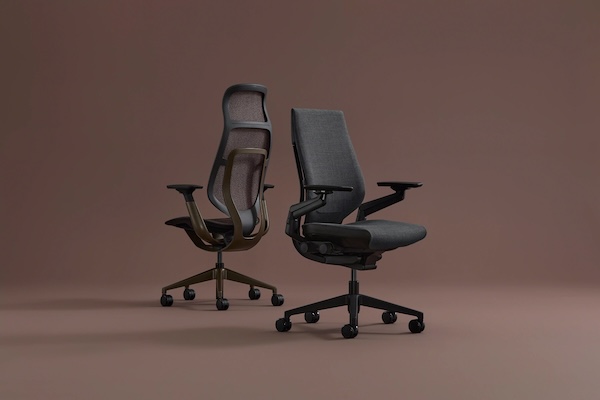
Professional office furniture has changed dramatically over the past few years. More companies are paying attention to how their workspace affects employee health and productivity.
Ergonomic desk chairs have become one of the most important investments for any business looking to improve their office environment. The right seating can reduce back pain, improve focus, and help employees stay comfortable during long hours at their commercial desks.
Adjustable Seat Height Makes All the Difference
Your office furniture store should offer chairs with pneumatic adjustment levers that allow users to quickly change height. This ensures feet rest flat on the floor while thighs remain parallel to the ground, supporting healthy posture throughout the day.
Research from the Cornell University Ergonomics Research Laboratory shows that improper workstation setup is a leading cause of workplace discomfort complaints.
Today, interior designers consider adjustable height a standard feature when planning layouts. The mechanism should move smoothly and stay locked in place without slipping.
Lumbar Support Protects Your Lower Back
Lower back support separates average seating from truly ergonomic furniture. The spine has a natural curve that needs reinforcement during extended sitting.
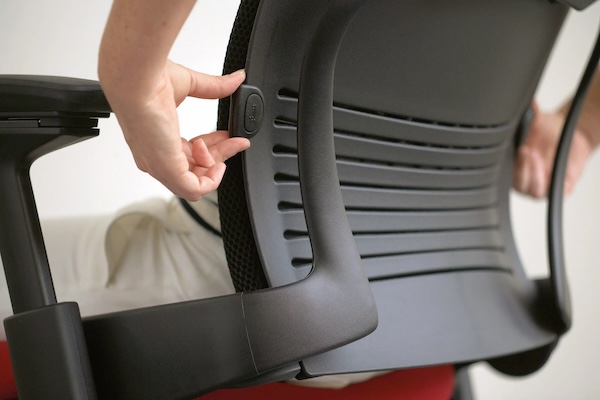
High quality ergonomic desk chairs include adjustable lumbar support that moves to fit different body types. Workers using properly fitted seating often report fewer back related issues and improved daily comfort.
According to OSHA, ergonomic improvements help reduce strain, lessen fatigue, and lower the risk of musculoskeletal disorders.
Seat Depth and Width Should Fit Every Body
Not everyone fits the same chair. Staff working at a reception desk or using conference room furniture need seating that adjusts to their proportions.
The seat should allow users to sit fully back while leaving a few inches between the seat edge and the back of the knees. Proper width also matters because cramped seating can restrict circulation and create discomfort over time.
Many office space optimization efforts fall short because companies choose one size fits all seating instead of accommodating workforce diversity.
Armrests Should Support Without Restricting Movement
Adjustable armrests reduce strain on the shoulders and neck by supporting the arms during typing and mouse work. At minimum, they should move up and down, while premium options adjust in width and angle as well.
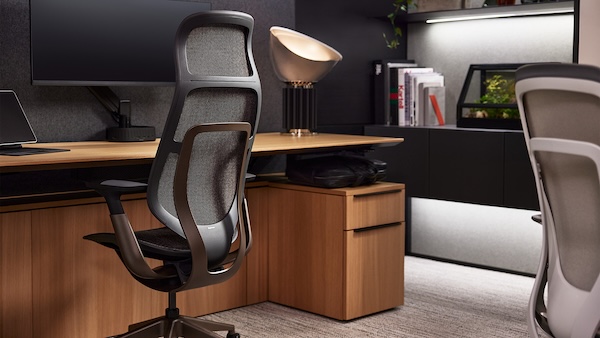
While lobby furniture and waiting room furniture may prioritize aesthetics, everyday workstations require function first. Thoughtful office interior design focuses on reducing strain during repetitive tasks and keeping employees comfortable throughout the day.
Materials and Padding Balance Comfort With Durability
Breathable mesh or high quality fabric keeps employees cool during long workdays. Dense foam padding provides lasting support without flattening too quickly.
A reputable office furniture store should allow you to test seating before purchasing so you can evaluate real world comfort and durability.
Material choices may vary depending on use. Conference room furniture sees lighter use than daily task chairs, while heavily used workstations require finishes that hold up for years. Smart office design and layout planning considers durability as much as appearance.
Creating Better Workspaces Starts With Smart Seating
Investing in the right ergonomic seating improves comfort, supports employee wellbeing, and helps teams stay productive throughout the day. A well planned workspace balances function, flexibility, and aesthetics.
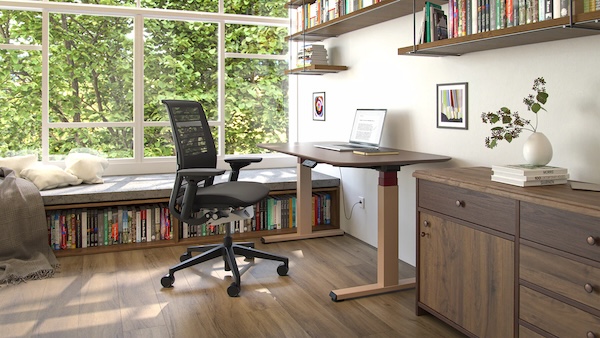
The features above form the foundation of seating that truly supports your people rather than working against them.
If you are ready to upgrade your workspace, OFDC can help you select the right professional office furniture and plan your layout that keeps your team healthy, comfortable, and productive for years to come.